Posts

Showing posts with the label virtual private servers

Why VPS Hosting is the Best Investment for High-Traffic Websites

Image
In today's digital age, having a robust and reliable web hosting solution is crucial, especially if you run a high-traffic website. As your website grows, so does the need for a hosting solution that can handle increased load without compromising performance. This is where Virtual Private Servers (VPS) come into play. Let's dive into the benefits of VPS hosting, why it's a wise investment for high-traffic sites, and how you can find the best VPS hosting provider. What is VPS Hosting? Before we explore the advantages, it's essential to understand what VPS hosting entails. A Virtual Private Server is a type of web hosting where a physical server is divided into multiple virtual servers. Each VPS functions independently with its own operating system, resources, and settings. This isolation provides a more controlled and flexible environment compared to shared hosting. Key Benefits of VPS Hosting for High-Traffic Websites Enhanced Performance and Stability High-traffic web...
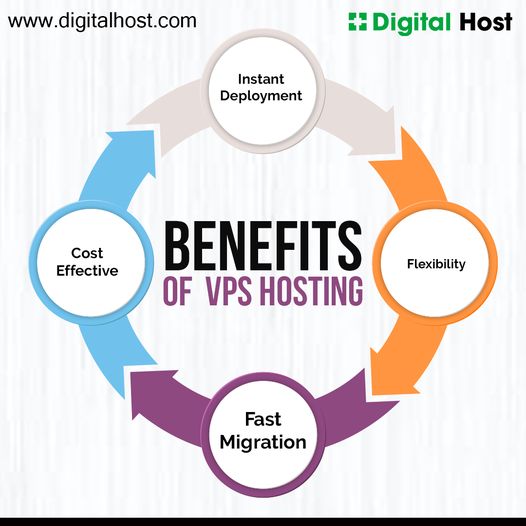
What Makes Virtual Private Server Hosting Ideal for E-commerce?

Image
Imagine this: Customers arrive at your online store, eager to browse your products. But instead of a swift and engaging experience, they're greeted by lagging load times. Each frustrating second ticks by as images crawl to appear and pages stall. This impatience translates into lost sales and potential customers abandoning their carts altogether. Slow website loading times are a significant obstacle in the e-commerce world. Fortunately, there's a solution to ensure a frictionless customer journey: VPS hosting. It acts as an upgrade from shared hosting. Shared hosting, while cost-effective for basic websites,  distributes resources among multiple users. This can lead to sluggish performance if one site experiences a surge in traffic. VPS hosting, however, partitions a physical server into virtual sections. Your online store gets its dedicated allocation of resources, including processing power and memory. This translates into faster loading times, improved responsiveness, and a ...